
People often ask me about peptides when they’re trying to get back to a sport, exercise routine, or everyday activity after an injury. One combination they may have heard about is the Wolverine stack, a name commonly used for pairing BPC-157 and TB-500.
The name can sound like a promise of fast recovery. It isn’t. Recovery depends on what is causing your symptoms, your overall health, and the care that fits your situation. In this article, I’ll explain what the term means and how I think about these conversations with patients.
What is the Wolverine stack?
The Wolverine stack is an informal name for a combination of two peptides: BPC-157 and TB-500. Peptides are short chains of amino acids. BPC-157 and TB-500 are commonly discussed online in connection with soft-tissue and recovery goals.
It’s important to separate a popular name from an established medical treatment. The Wolverine stack is not a standardized care plan, and the name alone doesn’t tell you what a product contains, how it was prepared, or whether it is appropriate for you.
When someone asks me about BPC-157 and TB-500 in Gallatin, TN, or peptide therapy in Hendersonville, TN, I start by asking what they’re hoping to address. Are they dealing with a diagnosed injury? Ongoing joint discomfort? Trouble returning to activity? The answer matters more than a trending stack name.
Why This Matters: Recovery starts with the right diagnosis
Pain and limited movement can have many causes. A sore shoulder, for example, might involve a muscle, tendon, joint, nerve, or a different health concern. Treating symptoms as if they all have the same cause can delay appropriate care.
An injury needs proper evaluation and diagnosis. Depending on your symptoms, a clinician may recommend an examination, imaging, referral, or another type of medical assessment. Seek prompt medical attention for severe pain, major swelling, sudden weakness, numbness, fever, or difficulty using the affected area.
I don’t want a patient to hear the word “recovery” and assume a peptide replaces that first step. A thoughtful plan begins with understanding what is happening and what options are suitable, not with a promise that a particular product will heal an injury.

What patients may want to discuss with a clinician
People who search for the Wolverine stack near me may be looking for support with goals such as:
- Returning to movement after an injury
- Discussing a soft-tissue concern with a healthcare professional
- Understanding ongoing joint discomfort
- Building a recovery plan that fits their health history and daily life
These are reasonable topics to bring to a clinician. They are not proof that BPC-157, TB-500, or the combination will deliver a particular result. Individual circumstances, diagnosis, and other treatments all matter.
I also encourage patients to talk about what they’re already doing. That might include physical therapy or other rehabilitation, changes to activity, nutrition, sleep, prescribed medication, supplements, or care from another clinician. A peptide conversation should sit within that wider picture, not take its place.
A peptide conversation is not the whole recovery plan
For many people, recovery involves a mix of practical steps over time. Depending on the diagnosis, a broader plan may include:
- Medical care: Appropriate assessment and follow-up for the underlying problem.
- Rehabilitation: Guidance from a qualified professional on safe movement and rebuilding function.
- Nutrition and hydration: Daily habits that support general health and activity.
- Rest and activity adjustments: A realistic balance that respects your symptoms and care recommendations.
- Ongoing review: Reassessing your goals and plan if symptoms change or progress stalls.
At Elevated Contouring Hydration and Weight Loss, our approach is personalized and considers the whole person. You can learn more about our functional medicine approach and services for athletes. These pages describe broader wellness services; they are not a promise that a particular peptide is suitable for a specific injury.

What should I know about safety and approval?
BPC-157 and TB-500 are not FDA-approved to treat injuries or support recovery. The U.S. Food and Drug Administration explains that compounded drugs are not FDA-approved and are not reviewed by the agency for safety, effectiveness, or quality before they are marketed. You can read more in the FDA’s compounding questions and answers.
That distinction is important. A product’s online description, a familiar-sounding name, or a conversation about a potential benefit doesn’t establish that the product is right for you or that it will produce a particular outcome. Product quality and a person’s health history also deserve careful attention.
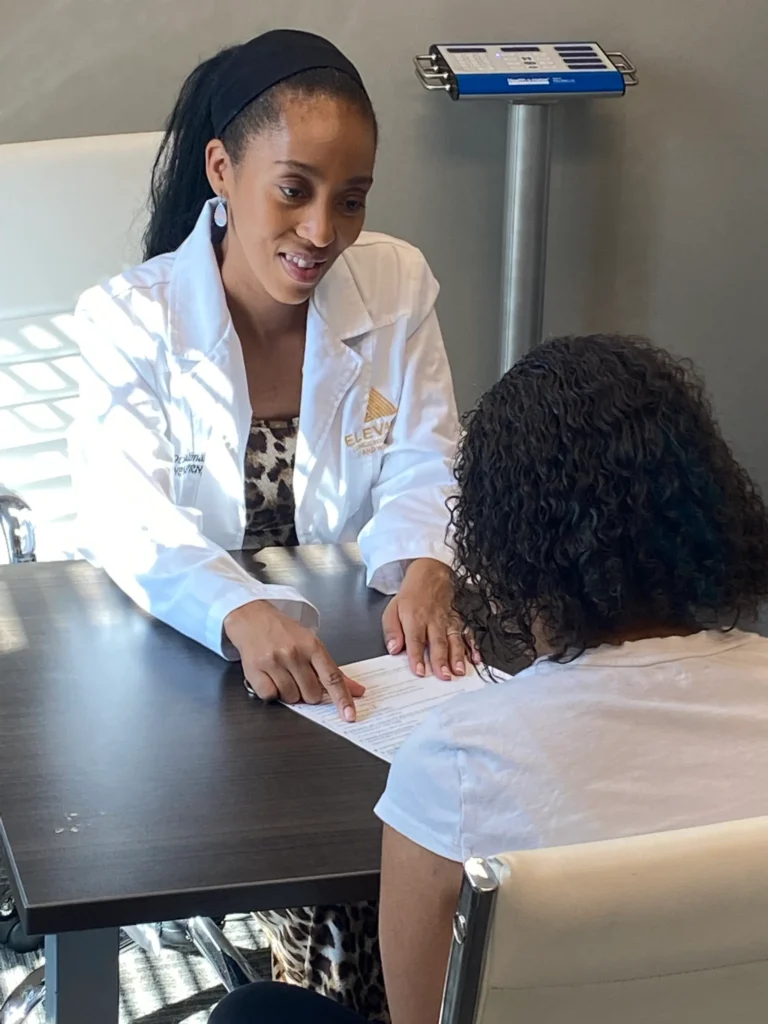
During a consultation, I want patients to feel comfortable asking direct questions about potential benefits, limitations, risks, and alternatives. I’ll also want to understand your symptoms, relevant medical history, current medications and supplements, and what care you’ve already received. The goal is to help you make an informed decision, not to pressure you into a treatment.
Looking for BPC-157 and TB-500 in Middle Tennessee?
If you’re searching for BPC-157 TB-500 in Gallatin, TN, peptide therapy in Hendersonville, TN, or peptide information elsewhere in Middle Tennessee, start with a conversation focused on your health and goals. You deserve clear information and an individualized assessment, not a one-size-fits-all recommendation.
A free consultation is a chance to talk with me about whether peptides may be appropriate to consider. A consultation does not guarantee that a peptide will be recommended or available. Any recommendation depends on your individual situation and applicable medical and regulatory requirements.
Book a free peptide consultation with Dr. Salimah
If you’re curious about the Wolverine stack or other peptide options, I invite you to schedule a free peptide consultation with Dr. Salimah to see if peptides are right for you. We can discuss your goals, questions, and possible next steps, with clarity, education, and no pressure.
Schedule your free virtual visit with Dr. Salimah or call 615-239-7270.

This article is for general educational purposes and is not a diagnosis or a substitute for medical advice. Please consult a qualified healthcare professional about an injury, symptoms, or treatment decisions.